אלהים = הטבע
Purim and Chanuka are the two festivals the Sages added to the year. Purim recalls how the Jews of the Persian empire were saved from Haman’s decree to destroy them, as the Book of Esther tells; Chanuka recalls the victory of the Chashmonaim, the priestly family that led the revolt, over the Greek kingdom and the rededication of the Beis HaMikdash, the Temple in Jerusalem.
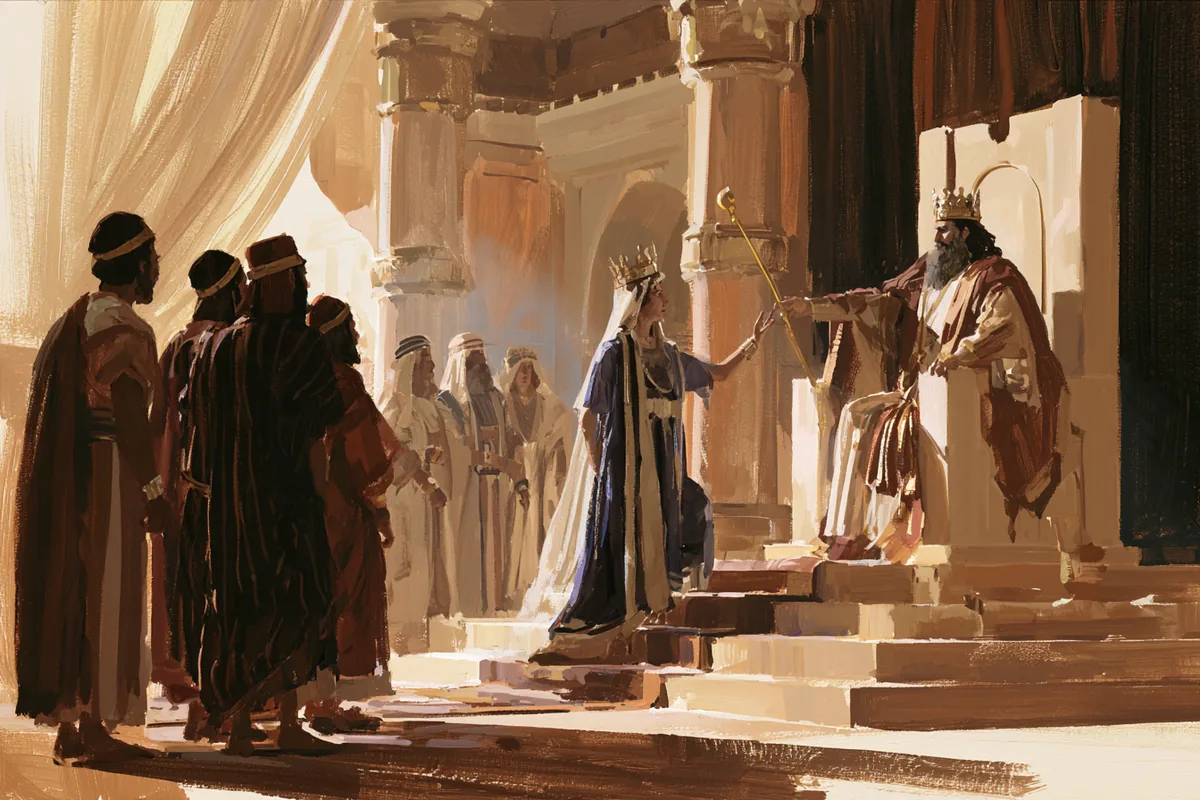
Kedushas Levi describes two kinds of salvation. In one, Hashem sets nature aside for Israel, as when He nullified the sea for those leaving Egypt so that they could cross it. In the other, Hashem clothes the salvation in nature. Purim looked natural: Achashverosh married Esther, and out of love for his wife he killed Haman. Chanuka also looked natural: the king loved Yehudis, a heroine of the Chanuka story, and from that came the killing of the gentiles and the victory over the enemies.
He explains with a parable. A king built a palace for his son, and his first thought was the end of the deed, that his son would live there. Then someone came and drove the king’s son out of the palace. It would be fitting that “אבן מקיר תזעק, a stone cry out from the wall,” leave its place, and kill that man.
So too, the world was created for Israel, who are called “בְּנִ֥י בְכֹרִ֖י, My firstborn son.” When nations want to remove them from the world, the Creator, when He so wills, leaves the world to act by its nature, and nature itself strikes those nations. Nature is the lowest level of G-dliness, and so “הטבע, nature,” equals “אלהים, G-d.”
On this it says, “הוא יגאלנו אחרית כראשית, He will redeem us, the end like the beginning.” The end of the deed is the first thought, since the worlds were created for Israel, who are called “ראשית, first,” and “אחרית, the end,” is the last level, the one clothed in nature. When the Creator does not will it, He weakens the power of nature.
A second parable: when a person wants to speak, he considers whether the words are right, and if there is a question about them he sets them aside and says something else, which is entirely new. The world was created by speech. When the Creator saves the world through nature, the passage calls it by the word “חנוכ"ה, Chanuka,” which means training: it is no new thing. Hashem trains the thing itself to be and to act, and His light is revealed in the world. This is why Esther is likened to the ayeles, “אַיֶּ֥לֶת הַשַּׁ֗חַר, the doe of dawn,” named at the head of Psalm 22, “סוף כל הניסים, the last of all the miracles,” since this is the last of all the levels.
Kedushas Levi, Bereishis, Vayeshev 19
Kedushas Levi: Chassidus on the Torah by Rabbi Levi Yitzchak of Berditchev, 18th century.
What the seforim read in אלהים
- אלהים = הטבעLikutei Halakhot, Ben Porat Yosef, Kedushat Levi
- לנו = אלהיםAvodat Yisrael, Degel Machaneh Ephraim, Ohr LaShamayim
- כוס = אלהיםToldot Yaakov Yosef, Bat Ayin, Peri Tzadik
- הכסא = אלהיםMe'or Einayim, Tzofnat Paneach, Arvei Nachal
- פאה = אלהיםPri Etz Chaim, Sefer Etz Chaim, Sha'ar HaHakdamot
- מלוי = אלהיםPri Etz Chaim, Sha'ar HaHakdamot, Sha'ar HaPesukim
- יוסי = אלהיםToldot Yaakov Yosef, Tiferet Shlomo, Seder HaDorot
- לוים = אלהי"םChayyim VaChesed, Mikdash Melekh on Zohar, Mikdash Melekh, RaMaZ Commentary on Zohar
- כמוך = אלהיםPri Etz Chaim, Matnot Kehunah on Bereshit Rabbah, Devash LeFi
- עבדי = אלהיםChomat Anakh on Isaiah, Chomat Anakh on Jeremiah, Chomat Anakh on Psalms
- יע"ו = אלהיםPri Etz Chaim, Sha'ar HaHakdamot, Sha'ar HaPesukim
- כולל = אלהיםArvei Nachal, Mikdash Melekh, RaMaZ Commentary on Zohar
- אלהים = אהיה אדנ"יPri Etz Chaim, Mikdash Melekh, RaMaZ Commentary on Zohar
- פה = אלהים with the kollelKisse Rahamim on Avot D'Rabbi Natan, Nachal Kedumim on Torah
- העבדה = אלהיםBe'er Mayim Chaim
- בעדי = אלהיםChomat Anakh on Psalms
- הללויה = אלהיםChomat Anakh on Psalms
- אלהים = הכונהSiftei Kohen on Torah
- לאכלה = אלהיםSiftei Kohen on Torah
- בלאדן = אלהים with the kollelMikdash Melekh, RaMaZ Commentary on Zohar
- אלהים = 86Kedushat Levi, Tzofnat Paneach, Bat Ayin
By each method
| Standardmispar hechrachi | 86 |
|---|---|
| Largemispar gadol | 646 |
| Smallmispar katan | 14 |
| Ordinalmispar siduri | 41 |
| Atbashאת״בש | 560 |
| With the wordim hakolel | 87 |
Words with the same value
Where it appears in Tanach
בְּרֵאשִׁ֖ית בָּרָ֣א אֱלֹהִ֑ים אֵ֥ת הַשָּׁמַ֖יִם וְאֵ֥ת הָאָֽרֶץ׃וְהָאָ֗רֶץ הָיְתָ֥ה תֹ֙הוּ֙ וָבֹ֔הוּ וְחֹ֖שֶׁךְ עַל־פְּנֵ֣י תְה֑וֹם וְר֣וּחַ אֱלֹהִ֔ים מְרַחֶ֖פֶת עַל־פְּנֵ֥י הַמָּֽיִם׃וַיֹּ֥אמֶר אֱלֹהִ֖ים יְהִ֣י א֑וֹר וַֽיְהִי־אֽוֹר׃- Genesis 1:4
- Genesis 1:5
- Genesis 1:6
- Genesis 1:7
- Genesis 1:8
- Genesis 1:9
- Genesis 1:10
- Genesis 1:11
- Genesis 1:12
- Genesis 1:14
- Genesis 1:16
- Genesis 1:17
- Genesis 1:18
- Genesis 1:20
- Genesis 1:21
- Genesis 1:22
- Genesis 1:24
- Genesis 1:25
- Genesis 1:26
- Genesis 1:27
- Genesis 1:28
- Genesis 1:29
- Genesis 1:31
- Genesis 2:2
- Genesis 2:3
- Genesis 2:4
- Genesis 2:5
- Genesis 2:7
- Genesis 2:8
- Genesis 2:9
- Genesis 2:15
- Genesis 2:16
- Genesis 2:18
- Genesis 2:19
- Genesis 2:21
- Genesis 2:22
- Genesis 3:1
- Genesis 3:3
- Genesis 3:5
- Genesis 3:8
- Genesis 3:9
- Genesis 3:13
- Genesis 3:14
- Genesis 3:21
- Genesis 3:22
- Genesis 3:23
- Genesis 4:25
- Genesis 5:1
- Genesis 5:24
- Genesis 6:12
- Genesis 6:13
- Genesis 6:22
- Genesis 7:9
- Genesis 7:16
- Genesis 8:1
- Genesis 8:15
- Genesis 9:1
and 574 more verses.
Where it appears beyond Tanach
- MishnahMishnah Tamid 7:4Mishnah Moed Katan 3:9Mishnah Shekalim 3:2Mishnah Sotah 5:5
- ToseftaTosefta Arakhin 1:4Tosefta Avodah Zarah 1:3Tosefta Avodah Zarah 7:5Tosefta Bava Kamma 7:2
- Talmud BavliArakhin 11a:14Avodah Zarah 3b:9Avodah Zarah 3b:13Avodah Zarah 5a:6
- Talmud YerushalmiJerusalem Talmud Avodah Zarah 4:7:3Jerusalem Talmud Berakhot 1:1:25Jerusalem Talmud Berakhot 1:4:4Jerusalem Talmud Berakhot 1:5:3
- MidrashAggadat Bereshit 2:1Aggadat Bereshit 4:1Aggadat Bereshit 4:2Aggadat Bereshit 4:3
- ZoharIdra Zuta 50Tikkunei Zohar 75a:6Tikkunei Zohar 76b:2Tikkunei Zohar 78a:4
- SiddurWeekday Siddur Chabad, Shacharit, Tzitzit and Tallit 10Weekday Siddur Chabad, Shacharit, Morning Prayer 3Weekday Siddur Chabad, Shacharit, Morning Prayer 6Weekday Siddur Chabad, Shacharit, Morning Prayer 17
- Chabad worksDerekh Mitzvotekha, The commandment of carrying the Ark on the shoulder 1Derekh Mitzvotekha, The commandment of the unification of God 1Derekh Mitzvotekha, Supplements 1:16Kuntres HaHitpa'alut 10:8