אֱמוּנָה = בָּנִים
Chayei Moharan is a collection of accounts from the life and conversations of Rebbe Nachman of Breslov. Before his journey to Eretz Yisrael, a man asked him for a blessing for children. He told the man to give tzedaka, charity, and the man answered that he could not afford it. So he told him to have faith, because “אֱמוּנָה חָשׁוּב כִּצְדָקָה, faith counts as tzedaka.”
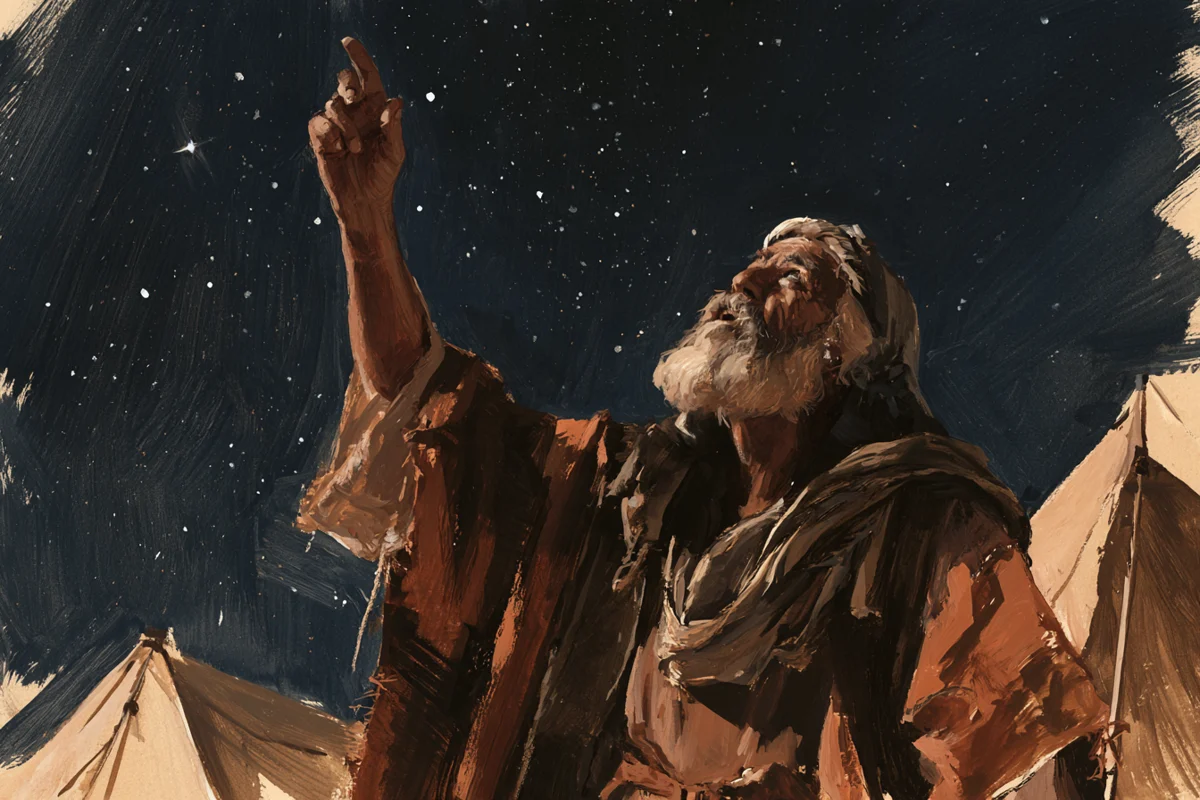
That is what the verse says of Avraham. In parshas Lech Lecha, Hashem brings Avram, still childless, outside, tells him to count the stars and says, “כֹּ֥ה יִהְיֶ֖ה זַרְעֶֽךָ, so will your offspring be.” Then “וְהֶאֱמִ֖ן בַּֽיהֹוָ֑ה וַיַּחְשְׁבֶ֥הָ לּ֖וֹ צְדָקָֽה, he believed in Hashem, and He counted it to him as tzedaka.”
He said that through faith a person merits children, because אֱמוּנָה, “faith,” equals בָּנִים, “children.” And so it was: the man was remembered and had children.
Chayei Moharan: Rabbi Nosson of Breslov’s account of the life and sayings of Rebbe Nachman.
By each method
| Standardmispar hechrachi | 102 |
|---|---|
| Largemispar gadol | 662 |
| Smallmispar katan | 12 |
| Ordinalmispar siduri | 39 |
| Atbashאת״בש | 359 |
| With the wordim hakolel | 103 |
Words with the same value
Where it appears in Tanach
אֶֽל־הָאִשָּׁ֣ה אָמַ֗ר הַרְבָּ֤ה אַרְבֶּה֙ עִצְּבוֹנֵ֣ךְ וְהֵֽרֹנֵ֔ךְ בְּעֶ֖צֶב תֵּֽלְדִ֣י בָנִ֑ים וְאֶל־אִישֵׁךְ֙ תְּשׁ֣וּקָתֵ֔ךְ וְה֖וּא יִמְשׇׁל־בָּֽךְ׃ {ס} וַיִּֽהְי֣וּ יְמֵי־אָדָ֗ם אַֽחֲרֵי֙ הוֹלִיד֣וֹ אֶת־שֵׁ֔ת שְׁמֹנֶ֥ה מֵאֹ֖ת שָׁנָ֑ה וַיּ֥וֹלֶד בָּנִ֖ים וּבָנֽוֹת׃וַֽיְחִי־שֵׁ֗ת אַֽחֲרֵי֙ הוֹלִיד֣וֹ אֶת־אֱנ֔וֹשׁ שֶׁ֣בַע שָׁנִ֔ים וּשְׁמֹנֶ֥ה מֵא֖וֹת שָׁנָ֑ה וַיּ֥וֹלֶד בָּנִ֖ים וּבָנֽוֹת׃- Genesis 5:10
- Genesis 5:13
- Genesis 5:16
- Genesis 5:19
- Genesis 5:22
- Genesis 5:26
- Genesis 5:30
- Genesis 6:10
- Genesis 10:1
- Genesis 10:25
- Genesis 11:11
- Genesis 11:13
- Genesis 11:15
- Genesis 11:17
- Genesis 11:19
- Genesis 11:21
- Genesis 11:23
- Genesis 11:25
- Genesis 21:7
- Genesis 22:20
- Genesis 29:34
- Genesis 30:1
- Genesis 30:20
- Genesis 32:12
- Genesis 41:50
- Exodus 20:5
- Exodus 21:4
- Exodus 34:7
- Numbers 14:18
- Numbers 26:33
- Deuteronomy 4:25
- Deuteronomy 5:9
- Deuteronomy 14:1
- Deuteronomy 21:15
- Deuteronomy 23:9
- Deuteronomy 24:16
- Deuteronomy 28:41
- Deuteronomy 32:20
- Joshua 17:3
- Judges 8:30
- Judges 10:4
- Judges 11:2
- Judges 12:9
- Judges 12:14
- I Samuel 1:8
- I Samuel 2:5
- I Samuel 2:21
- I Samuel 17:12
- I Samuel 30:19
- II Samuel 3:2
- II Samuel 5:13
- II Samuel 9:10
- II Samuel 14:6
- II Samuel 14:27
- II Kings 10:1
- II Kings 14:6
- II Kings 19:3
and 75 more verses.
Where it appears beyond Tanach
- MishnahMishnah Bekhorot 8:1Mishnah Ta'anit 2:2Mishnah Gittin 4:8Mishnah Ketubot 13:3
- ToseftaTosefta Bava Batra 7:3Tosefta Bava Batra 8:4Tosefta Bava Batra 10:2Tosefta Bava Batra 10:4
- Talmud BavliAvodah Zarah 5a:17Avodah Zarah 5a:19Avodah Zarah 7b:1Bava Batra 9b:12
- Talmud YerushalmiJerusalem Talmud Bava Batra 8:2:5Jerusalem Talmud Bava Batra 8:2:6Jerusalem Talmud Bava Batra 8:9:1Jerusalem Talmud Bava Batra 8:9:2
- MidrashAggadat Bereshit 4:3Aggadat Bereshit 7:3Aggadat Bereshit 10:1Aggadat Bereshit 14:1
- ZoharTikkunei Zohar 1b:5Tikkunei Zohar 4b:9Tikkunei Zohar 5a:1Tikkunei Zohar 9a:2
- SiddurWeekday Siddur Chabad, Shacharit, Tachnun 12
- Chabad worksDerekh Mitzvotekha, Forbidden relations; a woman and her sister 2Derekh Mitzvotekha, The commandment of shaving the metzora 3Derekh Mitzvotekha, To appoint a king from Israel 1Derekh Mitzvotekha, Supplement; the commandment of the impurity of a metzora 4