משיח = נחש
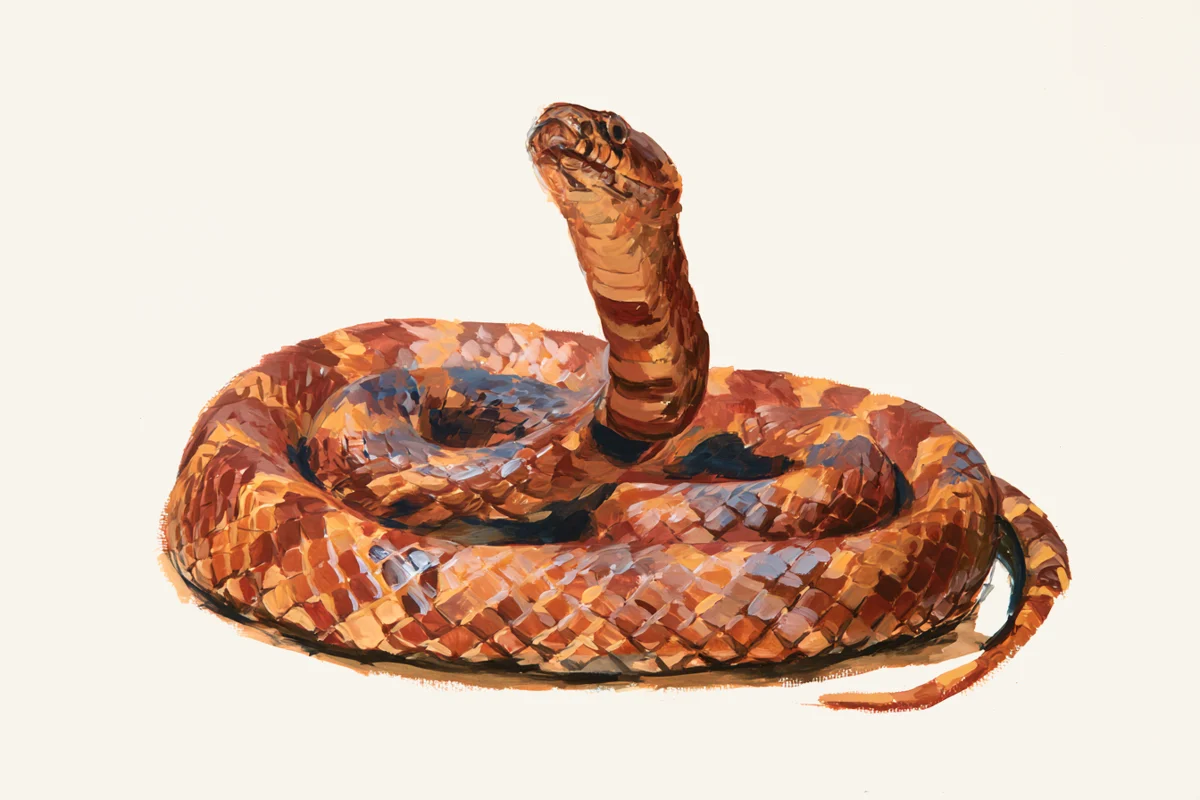
The Gemara says that if a person does not bow at Modim, the blessing of thanks in the Amida, the standing prayer said three times a day, “שִׁדְרוֹ שֶׁל אָדָם... נַעֲשֶׂה נָחָשׁ, a person’s spine... turns into a snake,” in the grave.
The Chiddushei HaRim, the first Rebbe of Ger, explained why from a dream in the book of Daniel. Nevuchadnetzar, king of Babylon, dreamed of one great statue of gold, silver, copper and iron, and Daniel told him that its parts were kingdoms that would rule one after another. Greece, the third kingdom, was its thighs: “וְיַרְכָתֵ֖הּ דִּ֥י נְחָֽשׁ, its thighs of copper.” The word for copper is the word for snake. The power of Greece sits in the thigh, and it keeps a person from bending before Hashem as he should. So when the Chashmonaim, the priestly family that led the revolt, overcame Greece, the Sages set the Chanuka thanksgiving into Modim, the blessing where we bow.
His grandson, the Sefas Emes, explains what the snake is doing in the spine. When Adam ate from the Tree of Knowledge, the one tree Hashem had forbidden him, a share of the snake mixed into the human being; the “כתנות עור, garments of skin,” Hashem made for Adam and Chava are called “משכא דחוויא, the snake’s skin.” Every person has to repair that mixture in himself. Chazal, the Sages, say to bow “עד שיתפקקו ח"י חוליות שבשדרה, until the eighteen vertebrae of the spine stand out,” and the snake’s share is what holds back the life in those vertebrae. Bowing nullifies it. Straightening up reveals the life that comes from the Source of life. That is why we bow at “ברוך, Blessed,” the blessing’s first word, and straighten at Hashem’s name. One who never bows at Modim never undid the snake in himself while he lived, and “שדרתו נעשה נחש, his spine becomes a snake.”
Modim ends “וכל החיים יודוך, and all the living will thank You.” The Sefas Emes reads it as every kind of life in a person, the life held in the eighteen (חי) vertebrae. The verse says “חי חי יודוך, the living, the living, will thank You,” with the word twice, because a person has two kinds of life: one from the World to Come, which the other side, the forces opposed to holiness, cannot touch, and one that became mixed. The two are praise and thanks, bowing and straightening, the mezuzah on the right of the door and the Chanuka lamp on the left. The thigh is where the eighteen vertebrae end, so that is where the main battle is fought, and it all depends on “שמירת הברית, guarding the covenant,” purity in the body’s most private matters.
Then he adds in brackets: the two Moshiachs, Moshiach son of Yosef and Moshiach son of David, are this same matter, for משיח equals נחש, “שאז יתוקן קלקול הנחש, since then the damage done by the snake will be repaired,” and the two lives, “חי חי, the living, the living,” are the two Moshiachs. He leaves it there: “וזה צריך אריכות דברים, this needs a long explanation.”
Sefas Emes, Bereishis, Chanuka 22:6 · Bava Kamma 16a · Daniel 2:32
Sefas Emes: Chassidus on the Torah and festivals by Rabbi Yehuda Aryeh Leib Alter of Ger, 19th century.
What the seforim read in נחש
- משיח = נחשSefat Emet, Tiferet Shlomo, Zera Kodesh
- חפרע = נחשShem MiShmuel, Zeroa Yamin on Pesach Haggadah, Chomat Anakh on Jeremiah
- נחש = שטן with the kollelSha'ar Ma'amarei Rashbi, Kisse Rahamim on Tractate Soferim, Chomat Anakh on Job
- ד"ם שד"י = נח"שSefer Etz Chaim, Mikdash Melekh, RaMaZ Commentary on Zohar
- נחש = שונא with the kollelKisse Rahamim on Tractate Kallah
- ישמח = נחשMarit HaAyin on Sanhedrin
By each method
| Standardmispar hechrachi | 358 |
|---|---|
| Largemispar gadol | 358 |
| Smallmispar katan | 16 |
| Ordinalmispar siduri | 43 |
| Atbashאת״בש | 71 |
| With the wordim hakolel | 359 |
Words with the same value
- משיח
- השמחה
- הגשמי
- בשכלו
- ורצונו
- מחודש
- שביום
- ישמח
- קרובים
- קרבנו
- המשחה
- לכבוש
- ומקורו
- בפרהסיא
- בסיפור
- מיושב
- כשחל
- שבנו
- שמביאה
- שנח
- וקרבן
- לחשך
- ובספרי
- וברקים
- ומקריב
- מחמירין
- בעורף
- ומשיב
- דחומש
- ברצוני
- ומחדש
- שנהג
- המשיג
- מרחיק
- רקבון
- ושבים
- מההשגה
- מושיב
- החמשה
- נשוב
- שהחמה
- ונשב
- משיבו
- חשן
- ליושבי
- ההגשמה
- לחידוש
- שהאבן
- ולהדגיש
- ונקבר
- כלבוש
- ובשכל
- ומקטרג
- שהוחלט
- בישולי
- בקרון
- שבוים
- לשכח
- בספריו
- וליישב
Where it appears in Tanach
הֲל֣וֹא זֶ֗ה אֲשֶׁ֨ר יִשְׁתֶּ֤ה אֲדֹנִי֙ בּ֔וֹ וְה֕וּא נַחֵ֥שׁ יְנַחֵ֖שׁ בּ֑וֹ הֲרֵעֹתֶ֖ם אֲשֶׁ֥ר עֲשִׂיתֶֽם׃וַיֹּ֤אמֶר לָהֶם֙ יוֹסֵ֔ף מָֽה־הַמַּעֲשֶׂ֥ה הַזֶּ֖ה אֲשֶׁ֣ר עֲשִׂיתֶ֑ם הֲל֣וֹא יְדַעְתֶּ֔ם כִּֽי־נַחֵ֧שׁ יְנַחֵ֛שׁ אִ֖ישׁ אֲשֶׁ֥ר כָּמֹֽנִי׃יְהִי־דָן֙ נָחָ֣שׁ עֲלֵי־דֶ֔רֶךְ שְׁפִיפֹ֖ן עֲלֵי־אֹ֑רַח הַנֹּשֵׁךְ֙ עִקְּבֵי־ס֔וּס וַיִּפֹּ֥ל רֹכְב֖וֹ אָחֽוֹר׃Where it appears beyond Tanach
- MishnahMishnah Bekhorot 6:2Mishnah Chullin 3:5Mishnah Pesachim 4:9Mishnah Rosh Hashanah 3:8
- ToseftaTosefta Avodah Zarah 4:3Tosefta Bekhorot 4:2Tosefta Berakhot 1:13Tosefta Chullin 2:6
- Talmud BavliArakhin 15b:10Avodah Zarah 22b:11Avodah Zarah 27b:6Avodah Zarah 30b:5
- Talmud YerushalmiJerusalem Talmud Avodah Zarah 2:2:11Jerusalem Talmud Avodah Zarah 2:7:4Jerusalem Talmud Avodah Zarah 3:3:5Jerusalem Talmud Bava Metzia 6:3:2
- MidrashAggadat Bereshit 11:2Aggadat Bereshit 26:1Aggadat Bereshit 50:4Aggadat Bereshit 79:1
- ZoharTikkunei Zohar 10b:7Tikkunei Zohar 18b:14Tikkunei Zohar 24a:14Tikkunei Zohar 37a:5
- Chabad worksDerekh Mitzvotekha, That a priest with a blemish not enter the sanctuary 1Derekh Mitzvotekha, The commandment of kindling the Chanukah candle 7Derekh Mitzvotekha, Shoresh Mitzvat HaTefillah 44:1Derekh Mitzvotekha, Shoresh Mitzvat HaTefillah 45:2