שפה = שכינה
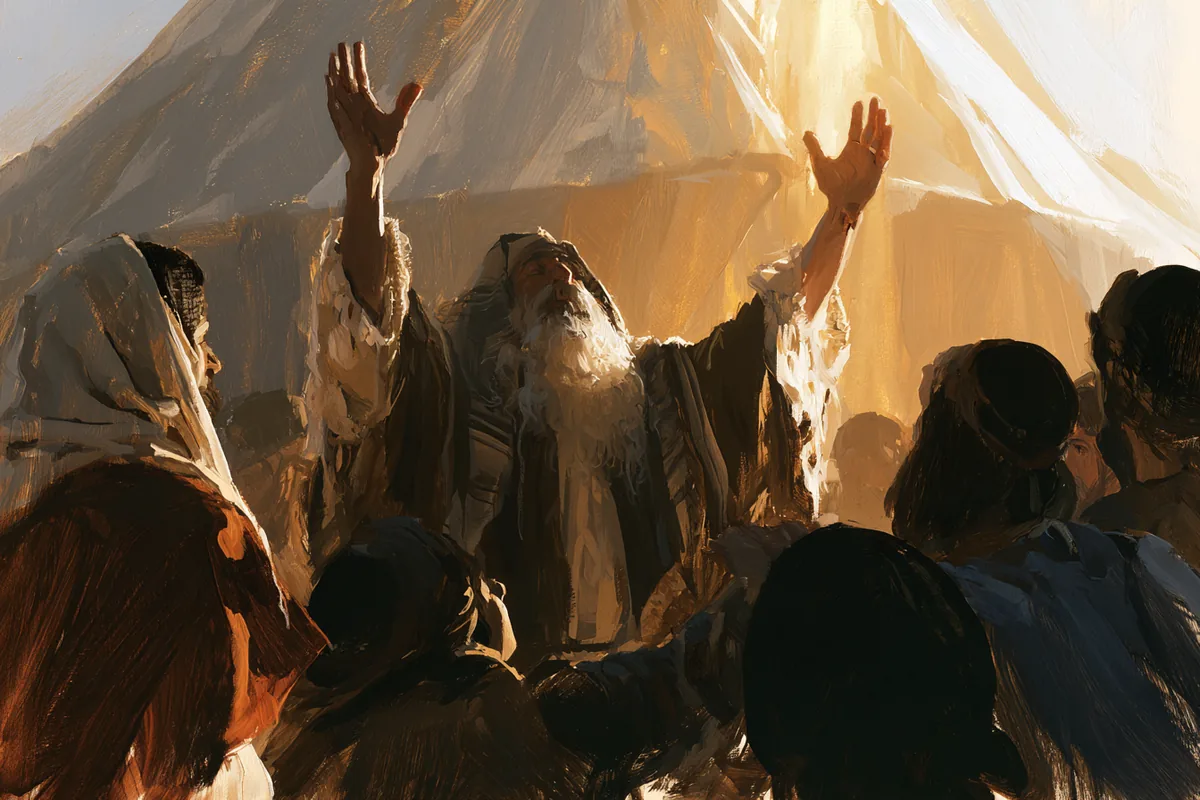
Parshas Pekudei closes the building of the Mishkan, the portable Sanctuary. When Moshe saw that all the work was done as Hashem had commanded, “וַיְבָ֥רֶךְ אֹתָ֖ם מֹשֶֽׁה, Moshe blessed them,” and Rashi gives the blessing: “יְהִי רָצוֹן שֶׁתִּשְׁרֶה שְׁכִינָה בְמַעֲשֵׂה יְדֵיכֶם, may it be His will that the Shechina rest on the work of your hands.” The Shechina is the Divine Presence.
The Tiferes Shlomo explains that Moshe told them to reach a level where, in everything they do, they intend to unite Hakadosh Baruch Hu, the Holy One, blessed be He, and His Shechina, and “לאוקמי שכינתא מעפרא, raise the Shechina from the dust,” as it says, “בְּכׇל־דְּרָכֶ֥יךָ דָעֵ֑הוּ, in all your ways, know Him.”
Among the garments of the kohen gadol, the High Priest, is a robe whose opening for the head is bound with a woven border so that it will not tear, and whose hem carries bells. This is the verse “שָׂפָ֡ה יִֽהְיֶה֩ לְפִ֨יו, its opening shall have a border.” The word for border is שפה, “lip,” and שפה equals שכינה. The word “יִֽהְיֶה֩, shall have,” alludes to the Divine Name.
So the lip, which is the Shechina, must always be present in all Torah and prayer, with the intent of raising the Shechina from the dust. Then “לֹ֥א יִקָּרֵֽעַ, it shall not tear,” and “וְנִשְׁמַ֣ע ק֠וֹל֠וֹ בְּבֹא֨וֹ אֶל־הַקֹּ֜דֶשׁ, his voice shall be heard when he comes into the holy place”: his prayer is accepted above with favor before Hashem.
He reads the verse “בַּצַּר־לִ֤י, in my distress,” “אֶ֥קְרָ֣א יְהֹוָה֮, I call to Hashem … יִשְׁמַ֣ע מֵהֵיכָל֣וֹ קוֹלִ֑י, He hears my voice from His sanctuary” the same way. When I am in distress and do not have myself in mind, and call to Hashem only to repair the Shechina with her Beloved, then He certainly hears my cry.
Tiferes Shlomo: Chassidus on the Torah by Rabbi Shlomo HaKohen of Radomsk, 19th century.
What the seforim read in שכינה
- שפה = שכינהAgra DeKala, Degel Machaneh Ephraim, Ohr LaShamayim
- מצרימה = שכינהZera Kodesh, Ben Ish Hai, Batei HaNefesh on Pesach Haggadah
- לשון = שכינה with the kollelTziporen Shamir, Sha'ar HaHakdamot, Ben Yehoyada on Taanit
- עשיה = שכינהBe'er Mayim Chaim, Mikdash Melekh, RaMaZ Commentary on Zohar, Siftei Kohen on Torah
- הערפל = שכינהMegalleh Amukkot on Parashat VaEtchanan, Kitzur Ba'al HaTurim on Exodus, Megalleh Amukkot on Torah
- הפקר = שכינהZera Kodesh
- כשהס = שכינהBen Yehoyada on Sotah
- לפרעה = שכינהChomat Anakh on Torah
- שכינה = 385Agra DeKala, Arvei Nachal, Be'er Mayim Chaim
By each method
| Standardmispar hechrachi | 385 |
|---|---|
| Largemispar gadol | 385 |
| Smallmispar katan | 16 |
| Ordinalmispar siduri | 61 |
| Atbashאת״בש | 171 |
| With the wordim hakolel | 386 |
Words with the same value
- יעשה
- העיקר
- שלימה
- לשנה
- הרקיע
- לפרעה
- המספר
- שלהן
- המצרים
- מצרימה
- שמהם
- הפרק
- שפה
- ממשה
- הפקר
- עשיה
- בשבועה
- עיקרה
- למחשבה
- כהמשך
- דרקיעא
- שטעו
- פוטיפר
- שממה
- להשכל
- עקירה
- השלים
- מהשם
- שההכנה
- להפרע
- מעריסה
- שהיסוד
- מדקאמר
- הקפר
- הערפל
- פשה
- פירצה
- קריעה
- שמגביל
- שמילה
- דועשה
- שהכלל
- שהכין
- לספירה
- ואשכחן
- דעושה
- להכשל
- שמוטל
- המשיל
- מהמיצר
- פאסענדען
- דכשאין
- וסנהדרין
- יכרסמנה
- דהשינוי
- העקרי
- ובשבעה
- ההשלמה
- דאשלים
- שהלומד
Where it appears beyond Tanach
- MishnahMishnah Sanhedrin 6:5Pirkei Avot 3:2Pirkei Avot 3:6
- ToseftaTosefta Berakhot 1:16Tosefta Kelim Kamma 1:10Tosefta Menachot 7:3Tosefta Shevuot 1:3
- Talmud BavliBava Batra 10a:13Bava Batra 15b:8Bava Batra 25a:8Bava Batra 25a:9
- Talmud YerushalmiJerusalem Talmud Avodah Zarah 1:4:2Jerusalem Talmud Berakhot 1:2:3Jerusalem Talmud Berakhot 9:1:9Jerusalem Talmud Chagigah 1:1:12
- MidrashAggadat Bereshit 46:3Bamidbar Rabbah 2:25Bamidbar Rabbah 6:5Bamidbar Rabbah 7:8
- ZoharTikkunei Zohar 14b:7Tikkunei Zohar 41b:9Tikkunei Zohar 69a:4Tikkunei Zohar 71b:4
- Chabad worksDerekh Mitzvotekha, The commandment of the Omer 1Derekh Mitzvotekha, The commandment of the Omer 2Derekh Mitzvotekha, That a priest with a blemish not enter the sanctuary 1Derekh Mitzvotekha, The commandment of sanctifying the new month 3